
Côtes du Rhône wine: what the name covers
Côtes du Rhône is an appellation (AOC) and also the everyday name of a wine region. The AOC covers 172 communes in six départements: Ardèche, Drôme, Gard, Loire, Rhône and Vaucluse. That is not the same as the whole Rhône Valley, and it is not the administrative region of Provence-Alpes-Côte d'Azur either.
Avignon is often called the capital of the Côtes du Rhône. That is a wine-tourism title, not an appellation of its own. If you want to taste on the spot, start with Côtes du Rhône wine tours from Avignon. Prices, dates and booking rules differ from one tasting to the next, so check them for the one you plan to join.
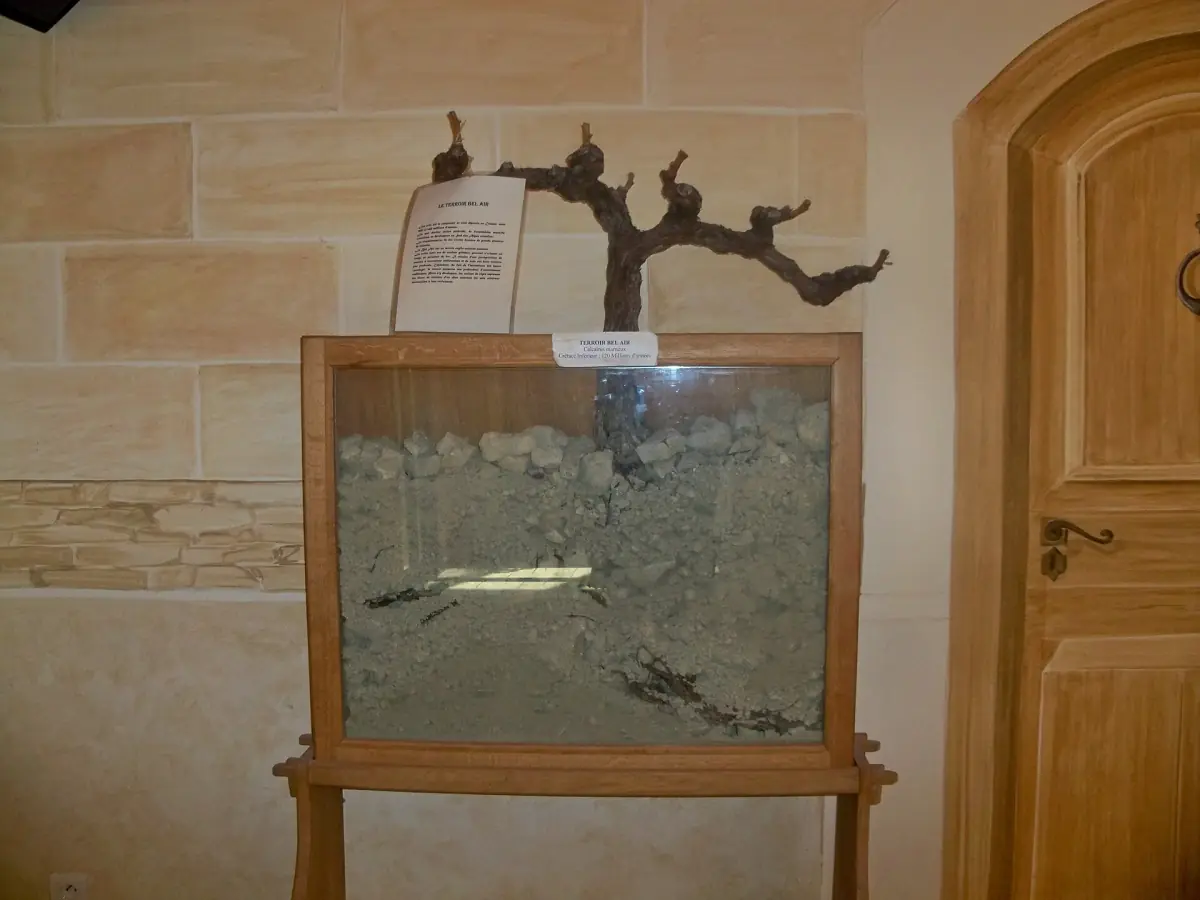
Côtes du Rhône Villages: three levels on the label
Regional AOC, Villages and the independent crus.
Côtes du Rhône
The regional AOC is the broadest level. It has 26,777 ha of production area and a palette of 27 grape varieties (2025).
Côtes du Rhône Villages
This level covers 95 communes. It has 8,019 ha and 24 grape varieties (2025). Some wines carry only the Villages name, others add a geographic name.
The independent crus
Crus such as Gigondas, Tavel or Châteauneuf-du-Pape have their own appellation and their own rules. They are not Côtes du Rhône on the label.
Of the 95 Villages communes, 21 may put a geographic name on the label. The count of communes and the count of names are two different numbers. In the Drôme these names are Nyons, Rochegude, Rousset-les-Vignes, Saint-Maurice, Saint-Pantaléon-les-Vignes and Suze-la-Rousse. In the Vaucluse they are Gadagne, Massif d'Uchaux, Plan de Dieu, Puyméras, Roaix, Sablet, Sainte-Cécile, Séguret, Vaison-la-Romaine, Valréas and Visan. The Gard adds Chusclan, Saint-Gervais and Signargues, and the Ardèche adds Saint-Andéol. Villages without a geographic name cover 2,734 ha and those with one cover 5,285 ha.
Our pick: a tasting built around the crus
A small-group half day that puts the appellation levels from this page into practice at the glass.
Hand-picked tours, booked through Viator. Prices are indicative starting prices in euros (as of October 2026). Tap a tour for live availability and the current price in your currency.
Côtes du Rhône wine tours and tastings
Tastings in Châteauneuf-du-Pape and Gigondas and wine day trips from Avignon, with live prices and availability.
Appellations compared by area
Production area from the 2025 harvest, in hectares. These are production figures, not the legal boundaries.
| Appellation | Group | Area, 2025 |
|---|---|---|
| Côtes du Rhône | Regional AOC | 26,777 ha |
| Côtes du Rhône Villages, all | Villages | 8,019 ha |
| Vacqueyras | Southern Rhône | 1,421 ha |
| Gigondas | Southern Rhône | 1,184 ha |
| Cairanne | Southern Rhône | 886 ha |
| Rasteau, still wine | Southern Rhône | 861 ha |
| Lirac | Southern Rhône | 848 ha |
| Tavel | Southern Rhône | 781 ha |
| Beaumes-de-Venise | Southern Rhône | 738 ha |
| Vinsobres | Southern Rhône | 559 ha |
| Laudun | Southern Rhône | 512 ha |
| Crozes-Hermitage | Northern Rhône | 2,139 ha |
| Saint-Joseph | Northern Rhône | 1,504 ha |
| Côte-Rôtie | Northern Rhône | 342 ha |
| Condrieu | Northern Rhône | 216 ha |
| Hermitage | Northern Rhône | 137 ha |
Read the table as a comparison and not as a total. For most visitors who come for the first time, the villages around Gigondas and Châteauneuf-du-Pape give a good first picture of the southern Rhône, and the Rhône Valley guide shows how the north differs.
Tavel and the other crus worth knowing
Points that are easy to mix up.
Tavel is rosé only
The Tavel appellation makes rosé and nothing else, on 781 ha in 2025. Do not use the name for rosé from the rest of the Rhône.
Laudun is a cru
Laudun is now an independent cru and not only a Villages name. It has 512 ha.
Gigondas has white wine too
Gigondas is no longer red and rosé only. White Gigondas has been available since 2024, and the 2025 harvest included red, rosé and white.
Sweet and dry are different entries
Beaumes-de-Venise (738 ha) and Muscat de Beaumes-de-Venise (227 ha) are separate. So are still Rasteau (861 ha) and Rasteau VDN (18 ha). Do not treat a dry red and a vin doux naturel as the same wine.
For the village itself, see Gigondas. For the hills above it, see the Dentelles de Montmirail.
Châteauneuf-du-Pape, grapes and soil
A southern cru with its own rules.
Châteauneuf-du-Pape has been an independent cru since 1936 and makes red and white wine. The area reaches over Châteauneuf-du-Pape, Bédarrides, Courthézon, Orange and Sorgues. Grenache noir shapes the reds, and the whites include Grenache blanc, Clairette and Roussanne. Counts of the permitted varieties run from 13 to 18, depending on whether colour variants are counted separately.
Rounded pebbles, the galets roulés, belong to the terroir, and so do sand, sandstone and other soils. Not every plot is covered in pebbles. The Côtes du Rhône AOC itself dates from 1937, a year after Châteauneuf-du-Pape, and the papal history behind the village is told on the Avignon papacy page. The village has its own guide: Châteauneuf-du-Pape.
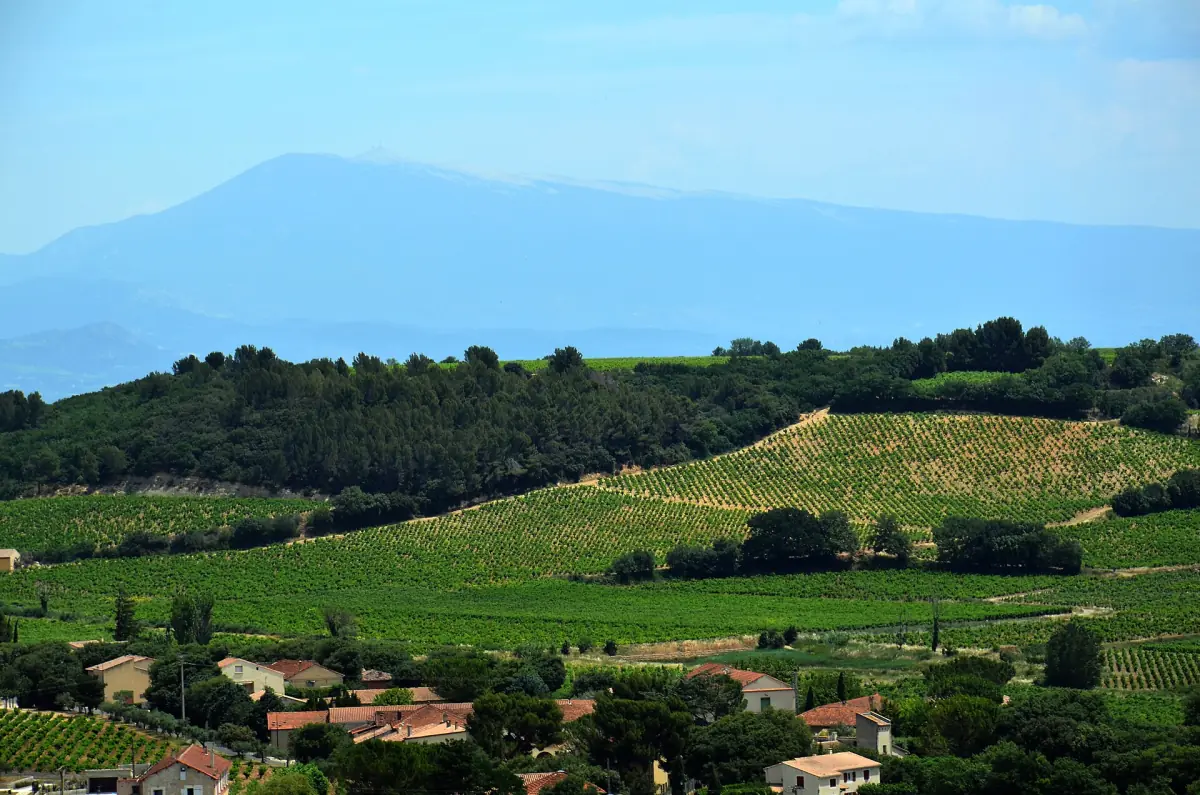
Three neighbours sit outside the Côtes du Rhône group: Ventoux, Luberon and Duché d'Uzès. The Ventoux appellation borders the Côtes du Rhône but is a different one, which matters if you cycle or hike around Mont Ventoux.
A word on colour: about 83 percent of Côtes du Rhône is red. Rosé and white share the remaining 17 percent.
Tasting rules in France
What the law says, and what it leaves open.
Age
Selling or giving away alcohol to anyone under 18 in a public place is banned. That does not close villages, museums or every estate to minors.
Driving
The limit is 0.5 g/l of blood alcohol. For drivers in the probation period or on accompanied driving it is 0.2 g/l. No number of glasses is safe, so the driver does not taste. Spit, share or hire a driver.
Prices and booking
No single fee or booking rule applies to every cellar. Each tasting sets its own price, date and conditions. Read them before you go.
Harvest
There is no fixed harvest date for the whole region. Do not plan a trip around a single month.
Plan your wine trip
Where to go next.
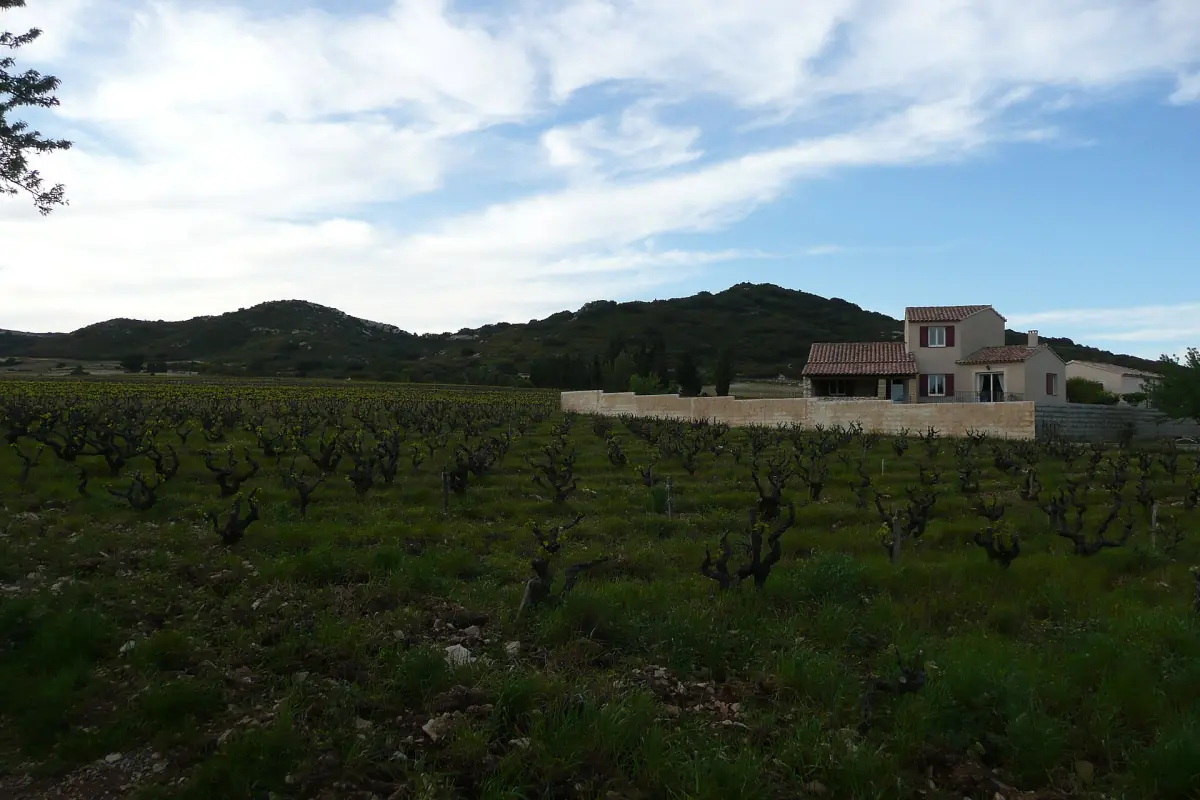
Wine tours from Avignon
Tastings, workshops and day trips with their own dates and prices.
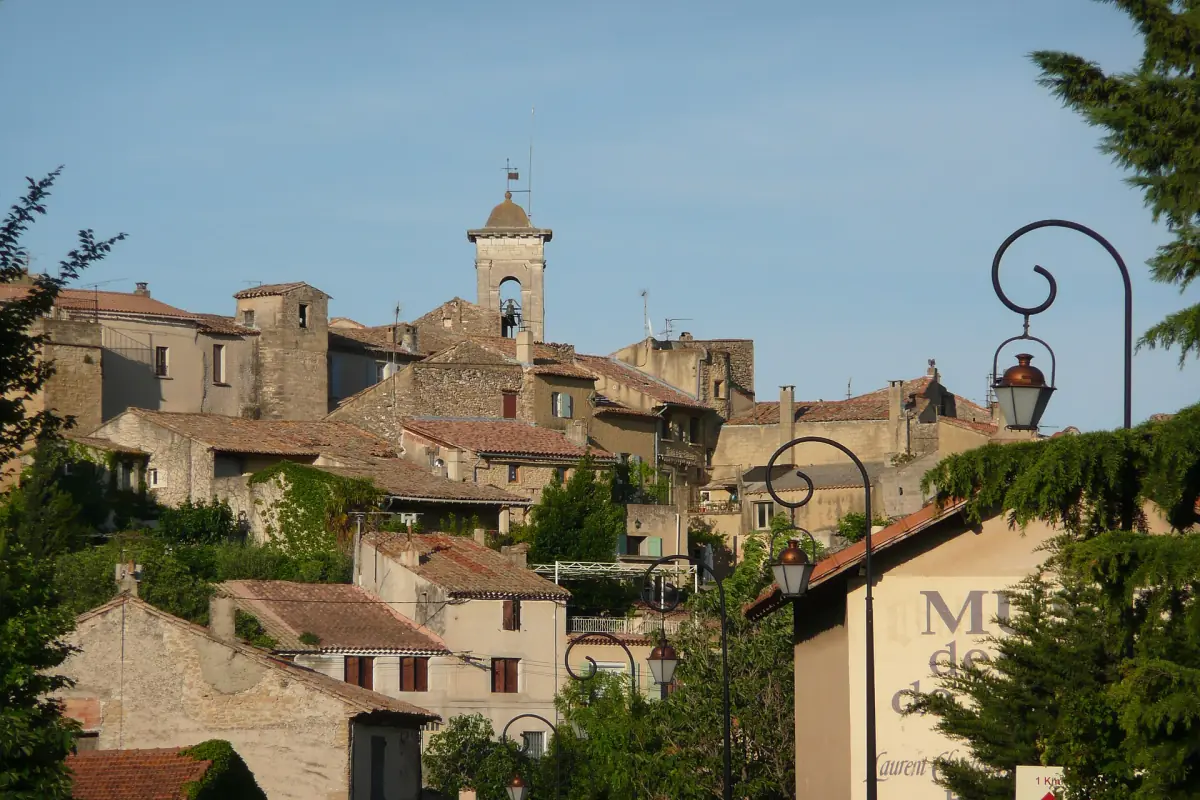
Châteauneuf-du-Pape
The village, the castle ruin and the cru.
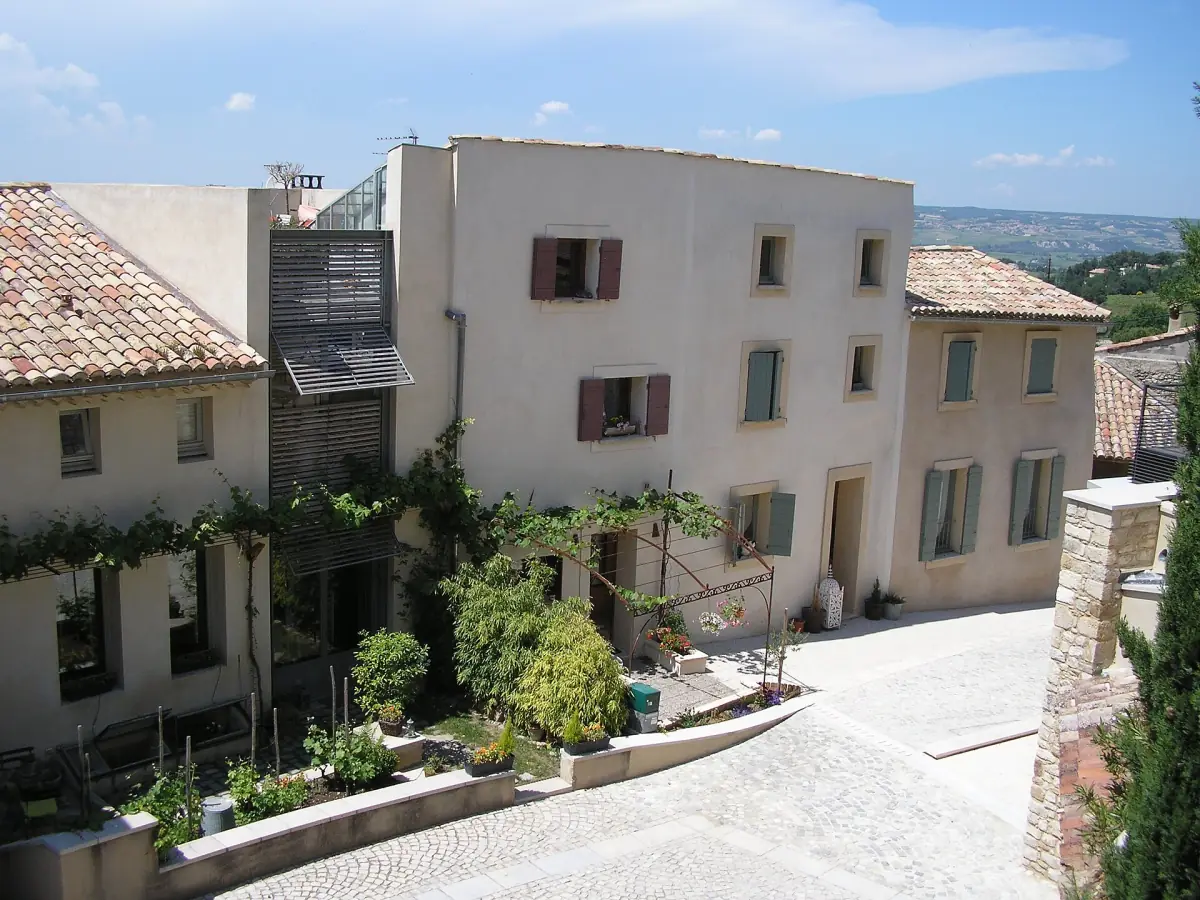
Gigondas
A wine village below the Dentelles de Montmirail.
Weather and best time
Monthly figures for Avignon and what they mean for a wine trip.
Côtes du Rhône wine: frequently asked questions
What is the difference between Côtes du Rhône and Côtes du Rhône Villages?
Côtes du Rhône is the regional AOC with 26,777 ha and 27 grape varieties. Villages is a second level with 95 communes, 8,019 ha and 24 varieties, and 21 geographic names may appear on the label.
Is Châteauneuf-du-Pape a Côtes du Rhône?
No. It is an independent cru with its own appellation since 1936. It lies in the southern Rhône.
Does Tavel make red wine?
No. Tavel makes rosé only. Rosé from other parts of the Rhône is not Tavel.
Are Ventoux and Luberon Côtes du Rhône?
No. Ventoux, Luberon and Duché d'Uzès are neighbouring appellations outside the Côtes du Rhône group.
Can I drive after a tasting?
Only if you stay under 0.5 g/l, or 0.2 g/l in the probation period, and no number of glasses is safe. The driver should not taste at all.