
Châteauneuf-du-Pape at a glance
Châteauneuf-du-Pape sits in the southern Rhône, north of Avignon. The village is known for its wine and for the ruin of the castle that gave it its name. Wine tastings here are arranged by individual cellars, so fees, hours and booking rules differ. A visit can be as simple as a walk through the village and up to the ruin, or a full day with several cellars.
The wine area spreads beyond the village to Bédarrides, Courthézon, Orange and Sorgues. This page covers the village, the castle, the vineyards and the journey from Avignon. Single wine estates are not recommended here, because the choice depends on your taste and on who is open on your day.
Our picks: Châteauneuf-du-Pape tours
Take the first for a straightforward half day with two tastings in the village, the second if you want more than one corner of the southern Côtes du Rhône. The morning minibus tour is the pick for a smaller group.
Hand-picked tours, booked through GetYourGuide and Viator. Prices are indicative starting prices in euros (as of October 2026). Tap a tour for live availability and the current price in your currency.
Morning wine tour to Châteauneuf-du-Pape
- Two wine tastings
- Eight-seat minibus
- Driver and guide
The small minibus keeps the group down, and the driver doubles as your guide.
Check availability →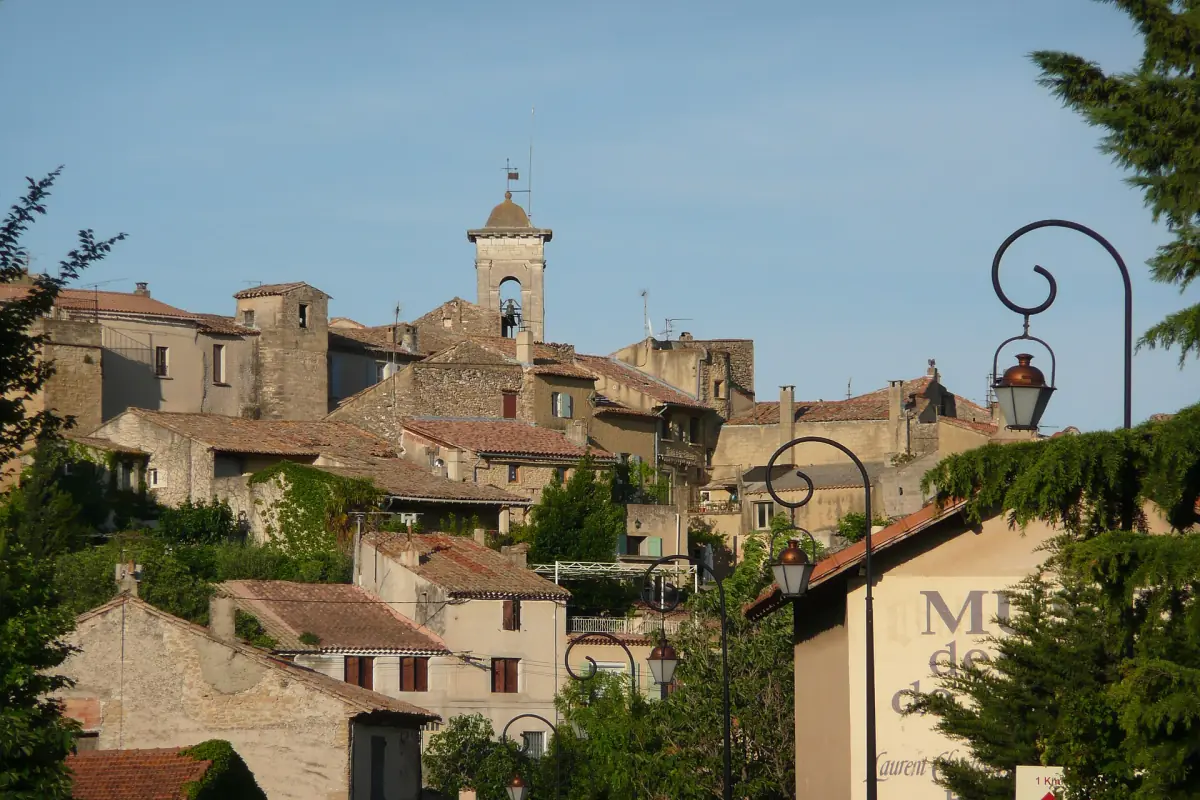
Châteauneuf-du-Pape half-day wine tour
- Two tastings in the village
- Air-conditioned van
- Guide on board
A guide handles the drive from Avignon, so you can concentrate on the glass. A straightforward first taste of the village's wines.
Check availability →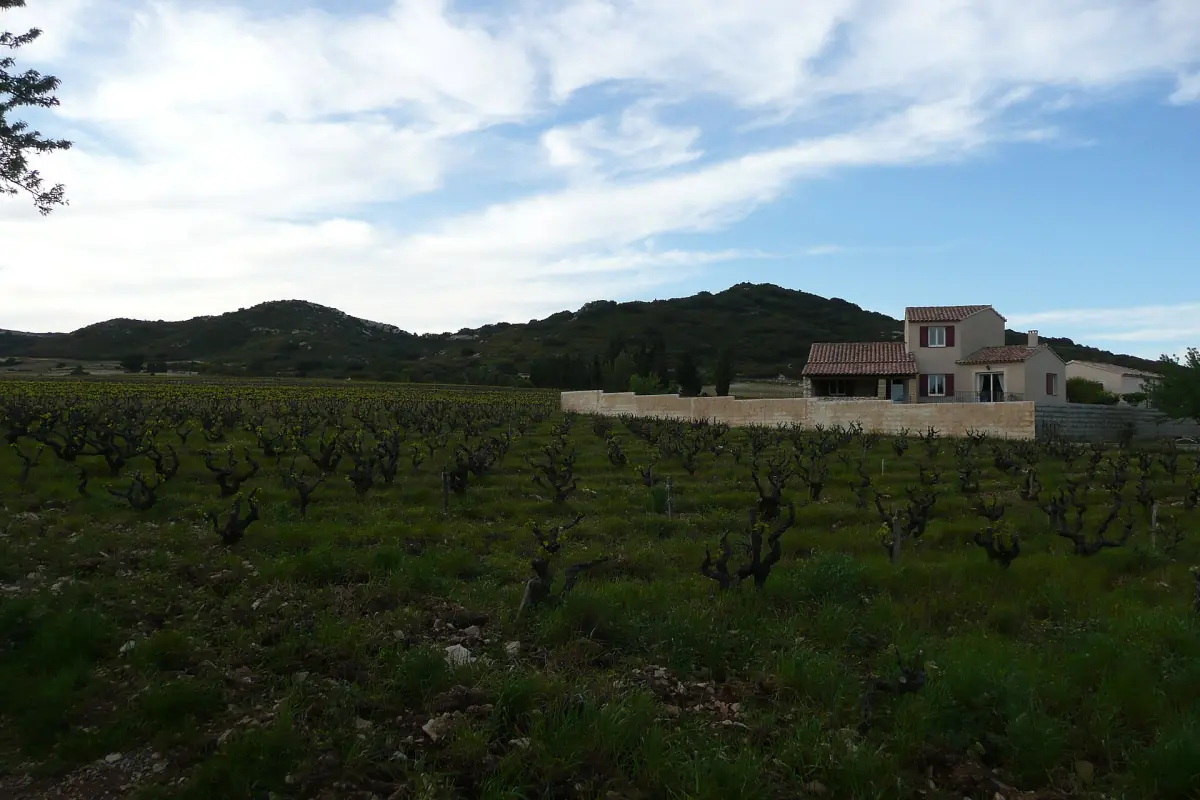
Wine tour through three estates around Châteauneuf-du-Pape
- At least nine wines
- Three estates
- Morning picnic, April to October
Starts and ends in Avignon and visits more than one corner of the southern Côtes du Rhône, not only the famous village.
Check availability →Châteauneuf-du-Pape wine tours from Avignon
Wine tastings, village visits and day trips that include Châteauneuf-du-Pape, with live prices and availability.
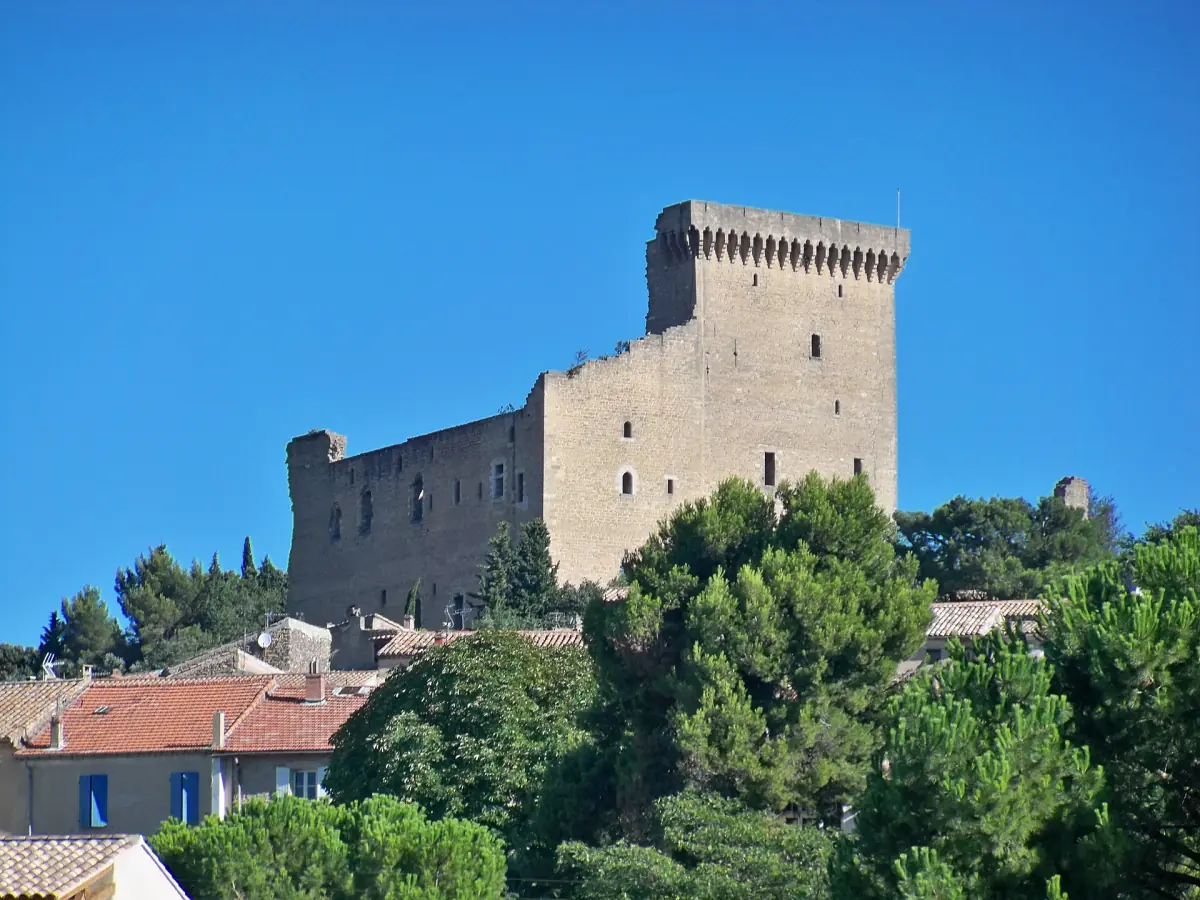
The castle ruin of the popes
What is left of the building above the village.
The castle was built between 1317 and 1333 under Pope John XXII. What remains today is the keep, the south wall and the lower level with the Cellier Pontifical. Treat it as a ruin, not as a preserved palace. It stands on the Route d'Orange, 84230 Châteauneuf-du-Pape, and can be visited free of charge all year. A room in the lower level used for events is not always open, so do not plan around going inside.
The popes also left their name in Avignon, where their palace stands. You can read about it on the Palais des Papes page, and the story of their stay is on the Avignon papacy page.
The wine and the galets roulés
Why the vineyards look the way they do.
Rounded stones, the galets roulés, are part of the terroir here. They lie in the vineyards alongside sand, sandstone and other soils, so do not expect every plot to be covered in them. The wine comes in red and white. Grenache noir shapes the reds, and the whites use grapes such as Grenache blanc, Clairette and Roussanne.
The number of grape varieties is given as anything from 13 to 18, depending on whether colour variants are counted as separate entries. Châteauneuf-du-Pape is counted among the southern Rhône wines. To understand the wider structure, see Côtes du Rhône wine explained.
Wind also matters. The mistral is a cold, dry north wind that shapes the Rhône area, and sunshine does not mean a calm day. Dress for wind when you walk the vineyards.
Châteauneuf-du-Pape wine tastings
How a visit to a cellar works.
Ask before you go
Fees, opening hours and booking rules differ from one cellar to the next. Contact the cellar to confirm that it takes visitors on your day.
Wine tours →Buying is a choice
Look at the cellar's own conditions. There is no general rule that you must buy after a tasting.
Wine explained →Taste in measure
Under-18s may not be sold or given alcohol in public places. The driving limit is 0.5 g/l, so the driver should not drink.
Getting there →Getting to Châteauneuf-du-Pape from Avignon
Four ways to make the trip.
| Way | Good for | Check first |
|---|---|---|
| Guided tour | Tasting without driving | Meeting point and what the tour includes |
| Own car | Staying as long as you like | A non-drinking driver, and parking in the village |
| Bus 902 to Sorgues, then 922 | A trip without a car | The current timetable and connections |
| Taxi | A short, direct trip | The fare, agreed before you set out |
For most visitors a guided tour works best, because it combines the village, the ruin and a tasting without a driving question. Those who like their own pace should take a car and keep the driver sober. The bus stops in the village are Pierre de Luxembourg and Louis Pasteur, and the current timetable shows how the connection works on your day.
Combine it with other stops
Neighbouring places for the same day.
Orange lies close to the wine area, and its Roman theatre is described on the Orange page. Gigondas and the Dentelles are a second wine day, covered on the Gigondas page. If you plan to stay in the area, the where to stay page compares the city with village bases.
Make it a papal day
Pair the castle ruin with the palace in Avignon.
The ruin and the palace tell the same story from two sides. In Avignon the Palais des Papes costs €16 with its gardens from 1 August 2026, or €19.50 with the Pont d'Avignon. Opening hours and the rebuilt tour are on the Palais des Papes page. You can spend the morning in the city and the afternoon in the vineyards.
Châteauneuf-du-Pape: frequently asked questions
Is the castle ruin free to visit?
Yes, access is free and open all year. The ruin is not a complete palace: the keep, the south wall and the lower level remain.
What are galets roulés?
Galets roulés are the rounded stones in the vineyards. They are part of the terroir, but the vineyards also have sand, sandstone and other soils.
Do I need to book a tasting?
Tastings are arranged by individual cellars. Check each cellar for its hours and booking rules before you go.
Can I visit Châteauneuf-du-Pape without a car?
Yes. Take bus 902 from Avignon to Sorgues, then bus 922 to the village. Check the current timetable before you go.
How many grape varieties are grown there?
The count is between 13 and 18, depending on whether colour variants are counted as separate entries. Grenache noir shapes the reds.