
The Avignon papacy in short
In 1309 Pope Clement V came to Avignon, and the popes stayed on the Rhône until Gregory XI returned to Rome at the start of 1377. That is the period usually called the Avignon papacy. It is not quite as simple as seven decades with every pope living in the city, because Urban V stayed in Rome from 1367 to 1370. And the story did not end in 1377. The Great Western Schism from 1378 to 1417 produced two more popes of Avignon, counted as popes of the Schism.
Today the palace of the popes is a good place to meet this history. If you want to visit, read our guide to Palais des Papes tickets and hours. This page gives the background.
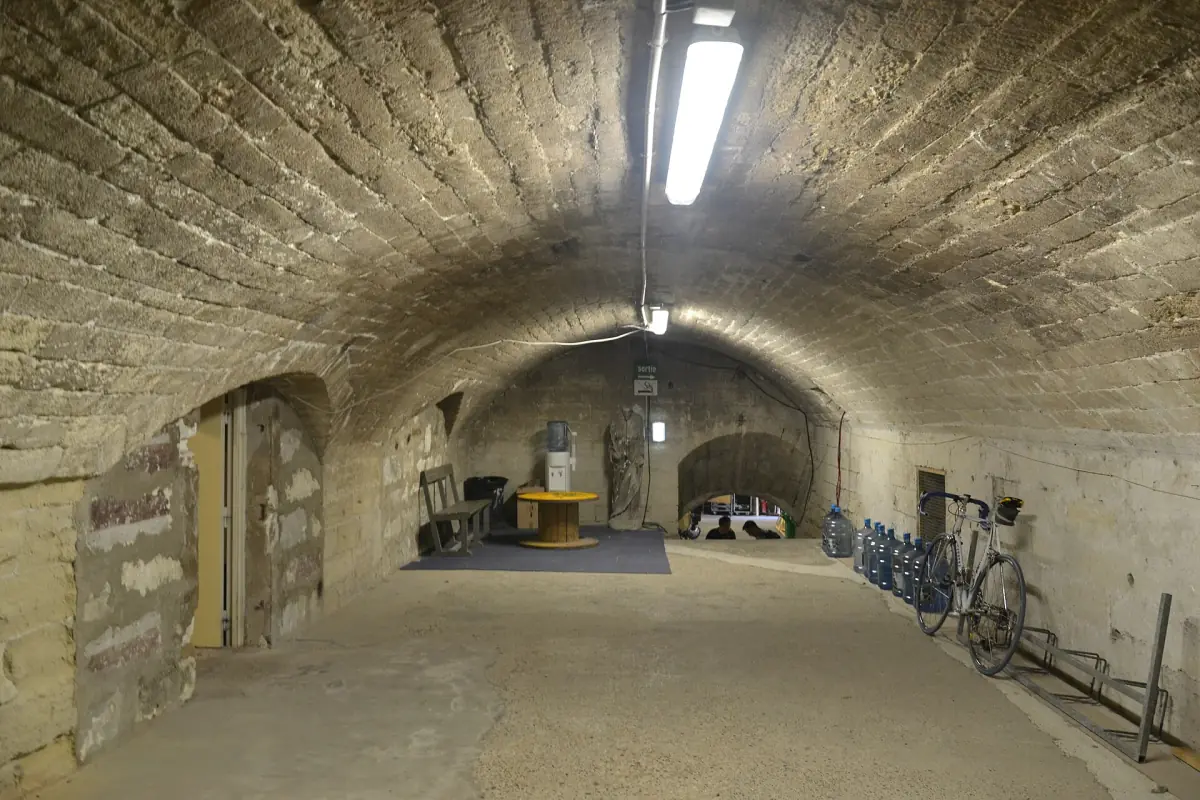
Our pick: an Avignon history walk
A guided walk with stories about the city's past, on foot through the old town.
Hand-picked tours, booked through Viator. Prices are indicative starting prices in euros (as of October 2026). Tap a tour for live availability and the current price in your currency.
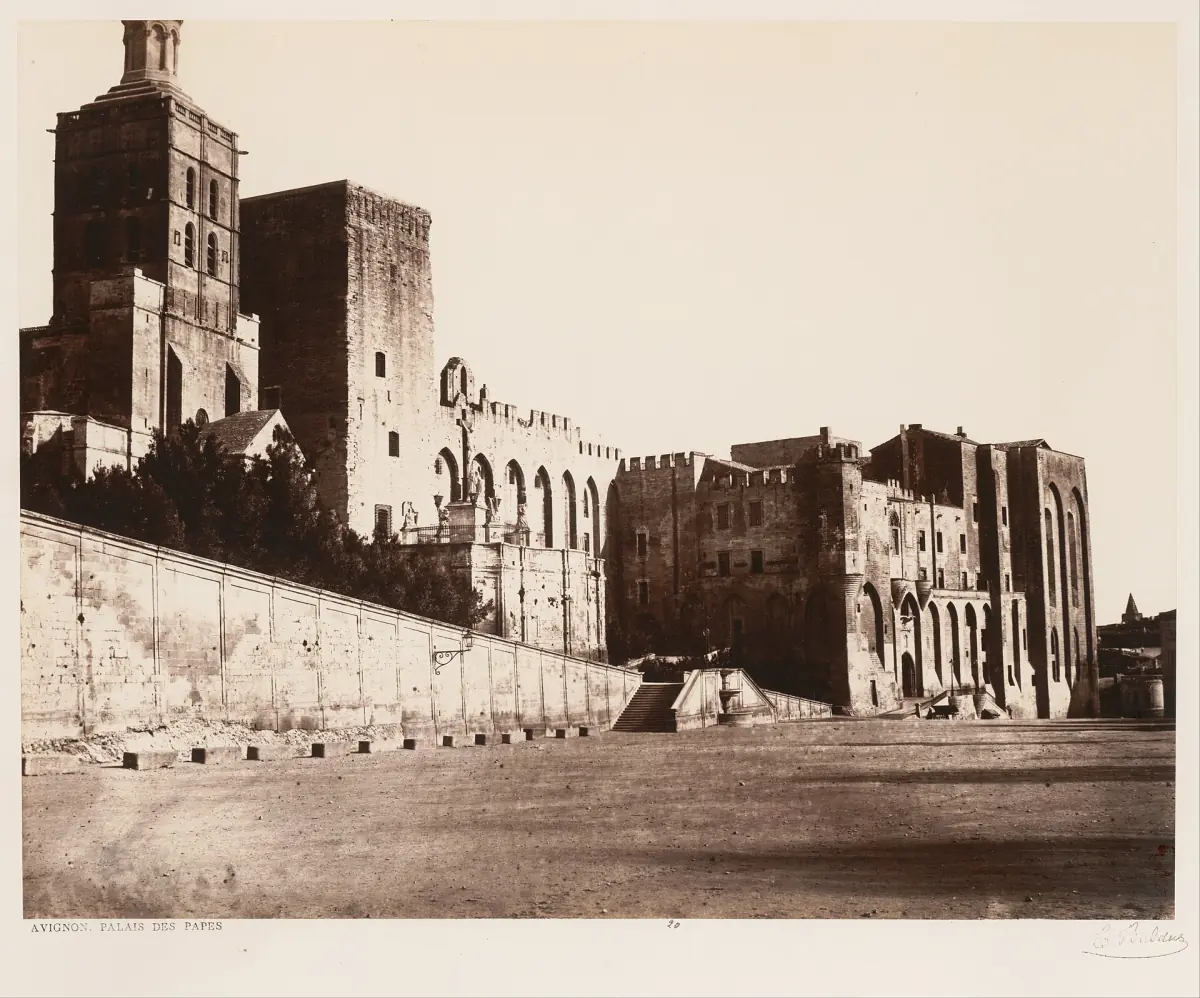
Palais des Papes and wine tours in Avignon
Guided visits to the palace, wine tastings and day trips from Avignon, with live prices and availability.
Avignon papacy timeline
The key dates in order.
| Year | Event |
|---|---|
| 1309 | Clement V comes to Avignon |
| 1317 to 1333 | Under John XXII the papal castle at Châteauneuf is built |
| 1367 to 1370 | Urban V stays in Rome |
| Early 1377 | Gregory XI returns to Rome |
| 1378 | The Great Western Schism begins, and Clement VII (1378 to 1394) holds the line of Avignon popes |
| 1394 | Benedict XIII becomes the next pope of this line (1394 to 1429) |
| 1403 | Benedict XIII flees the palace |
| 1417 | The Schism ends |
| 1936 and 1937 | AOC recognition of Châteauneuf-du-Pape (1936) and Côtes du Rhône (1937) |
| 1995 | UNESCO World Heritage listing of the historic centre of Avignon |
The dates for Clement VII and Benedict XIII are the years of their pontificates. They do not mean the two lived in Avignon without a break.
Regular popes and antipopes
Why "nine popes" is not the whole story.
Seven regular popes
Seven regular popes are counted for the Avignon period. They ruled from the arrival of Clement V in 1309 to the return of Gregory XI in 1377. Not all of them lived in Avignon without interruption.
Two popes of the Schism
Clement VII and Benedict XIII belong to the Great Western Schism and are counted as 2 schismatic Avignon popes. Benedict XIII fled the palace in 1403. Do not read "nine popes" as nine undisputed popes.
The end date
1377 is the usual end of the regular Avignon papacy, but the Schism from 1378 to 1417 kept a line of popes in Avignon for longer.
Popes and Rhône wine
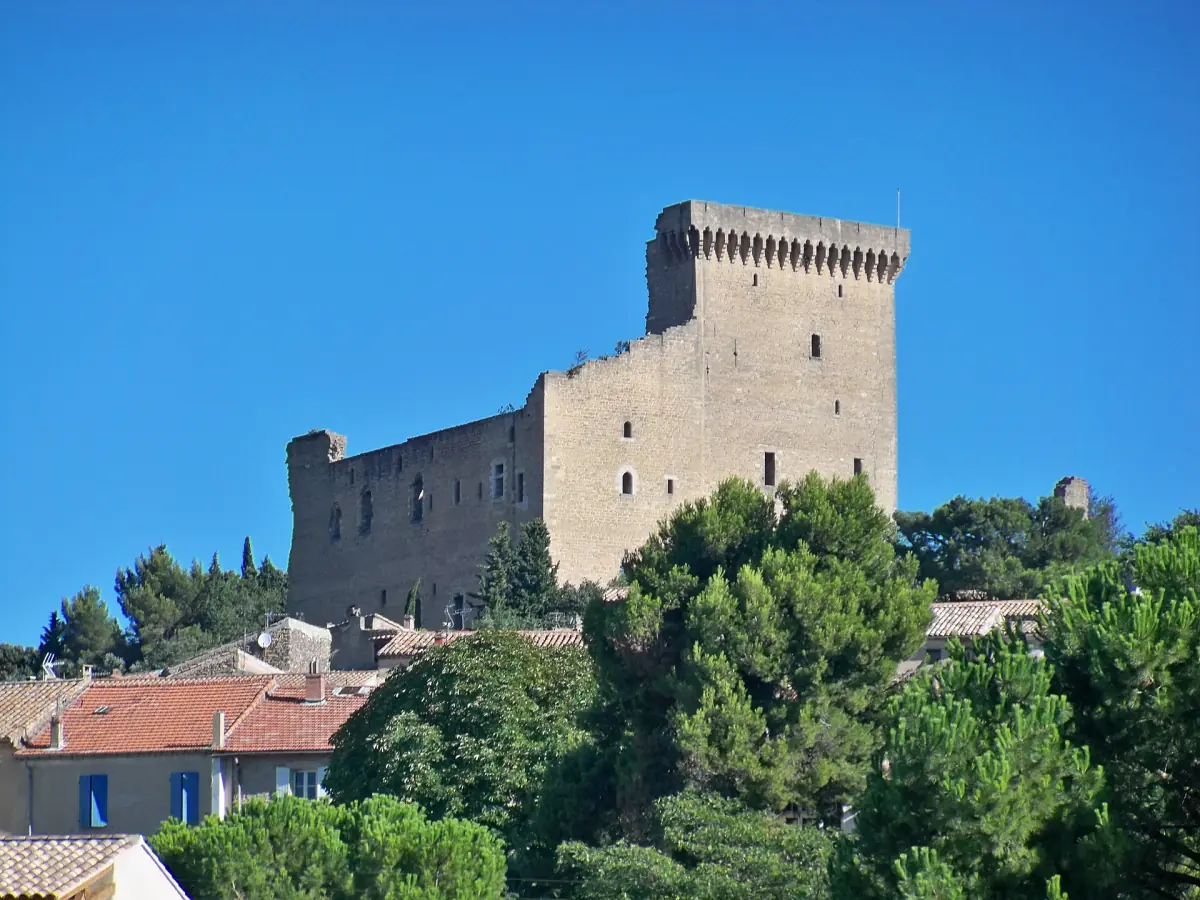
The link between the popes and the wine is real, but it needs care. The castle of Châteauneuf-du-Pape was expanded under John XXII from 1317 to 1333. What remains is a ruin with a donjon, a south wall and a cellar level, open to visitors daily all year.
The wine appellations are much younger. Châteauneuf-du-Pape received its AOC status in 1936, and Côtes du Rhône in 1937. A medieval wine tradition and a modern designation of origin are two different things, so be wary of any claim that equates them. For the place itself, read the Châteauneuf-du-Pape guide, and for the appellations see Côtes du Rhône wine.
What you can still see today
The places that carry this history, with 2026 prices.
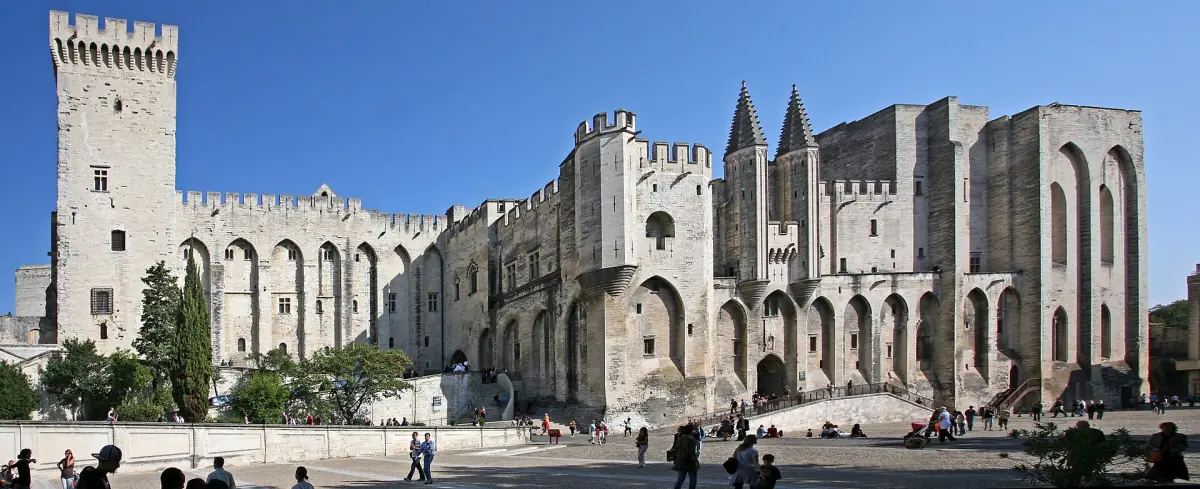
The Palais des Papes
Since 1 August 2026 the palace with the papal gardens costs €16 for adults, €10 for children aged 10 to 17, and nothing under 10. A combined ticket with the Pont d'Avignon costs €19.50, or €12 for ages 10 to 17. The palace is open daily, and the last entry is one hour before closing. A new tour has been introduced since 1 May 2026, using a smartphone web app called Les Clefs du Palais in 6 languages, so bring a charged phone. The work continues until spring 2027. Details are on the Palais des Papes page.
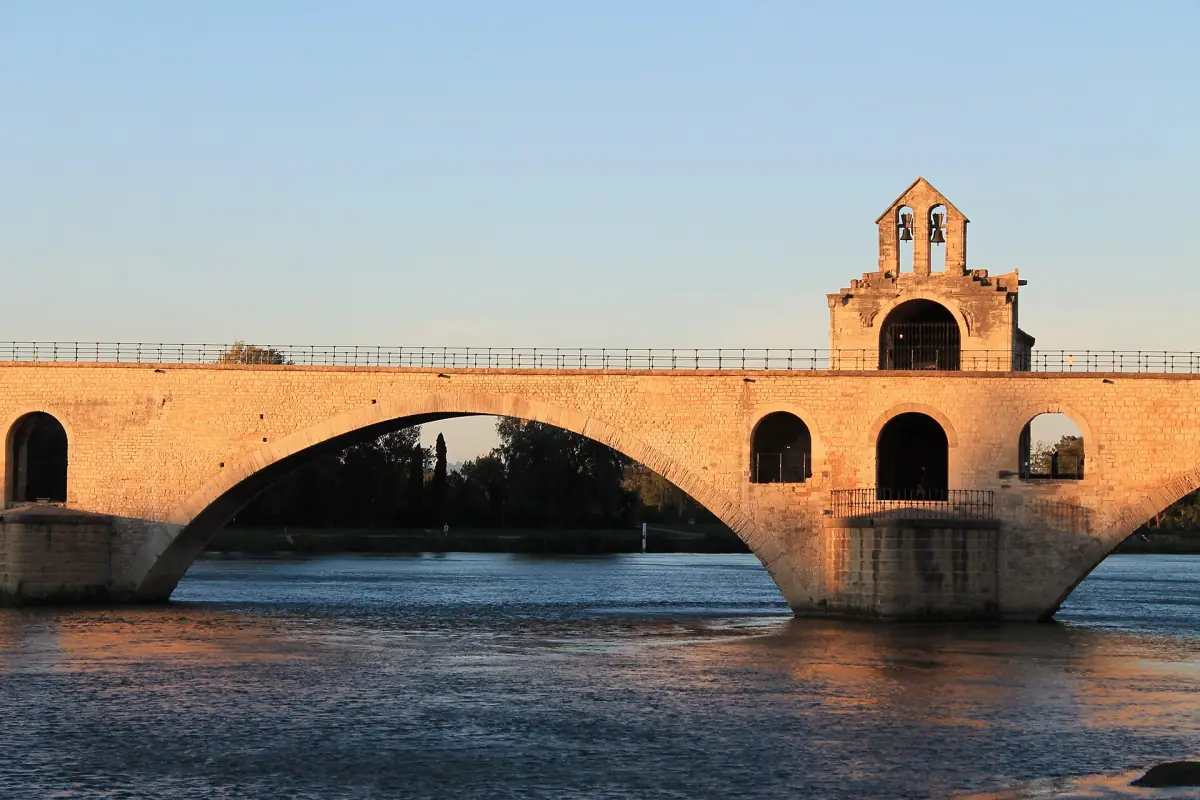
The Pont d'Avignon
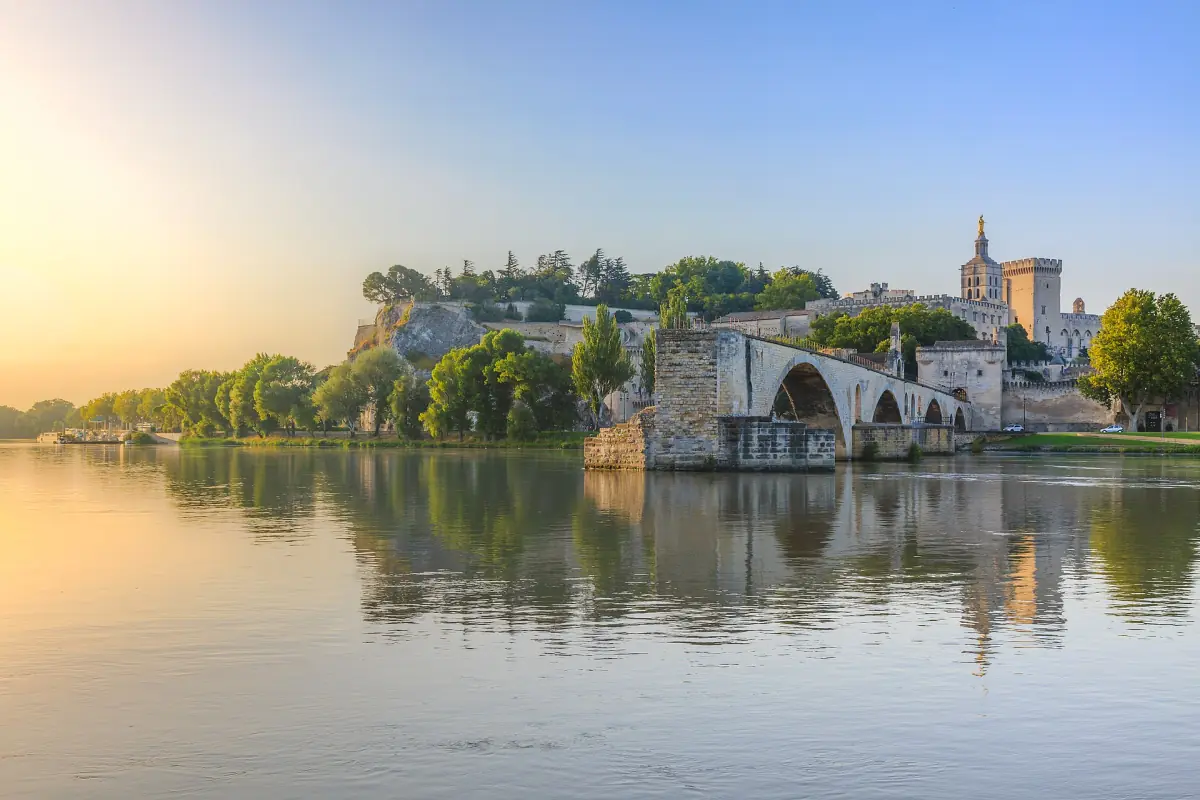
Of the original 22 arches, 4 survive. The bridge is a fragment you can visit, not a walkway to the opposite bank. A single ticket costs €6, reduced €5, ages 10 to 17 €4, and under 10 is free. An audioguide is available in 14 languages. See the Pont d'Avignon.
The historic centre
UNESCO lists the historic centre of Avignon with the papal palace, the episcopal ensemble and the bridge. It does not extend to the wine country. See Avignon.
Plan the rest of your trip
From history to the practical side.
Avignon papacy: frequently asked questions
When did the popes live in Avignon?
Clement V came to Avignon in 1309, and Gregory XI returned to Rome at the start of 1377. Not every pope lived in the city without a break: Urban V stayed in Rome from 1367 to 1370.
How many popes were there in Avignon?
Seven regular popes and 2 popes of the Schism are counted. Do not call them nine undisputed popes.
What was the Great Western Schism?
It was the split in the church from 1378 to 1417. In that time Clement VII (1378 to 1394) and Benedict XIII (1394 to 1429) held the line of Avignon popes. Benedict XIII fled the palace in 1403.
Did the popes make Châteauneuf-du-Pape wine famous?
The castle of Châteauneuf was expanded under John XXII, but the AOC dates only from 1936. The medieval tradition and the modern designation should not be equated.
Is the Pont d'Avignon a complete bridge?
No. 4 of the original 22 arches remain, and the bridge does not cross the Rhône to the other bank.