
The Rhône Valley: north and south
The Rhône Valley is more than one wine region. The valley divides into a northern Rhône and a southern Rhône, and the two differ in grapes, wine styles and the kind of trip they suit. The Côtes du Rhône appellation spreads over six départements: Ardèche, Drôme, Gard, Loire, Rhône and Vaucluse. It does not stand for the whole valley.
Most of what this site covers belongs to the southern group, from Châteauneuf-du-Pape and Gigondas to Tavel. Avignon is the practical base for it. The northern Rhône is a separate trip with its own villages, and the city of Avignon is not part of it. If you want to taste along the way, see Côtes du Rhône wine tours from Avignon.
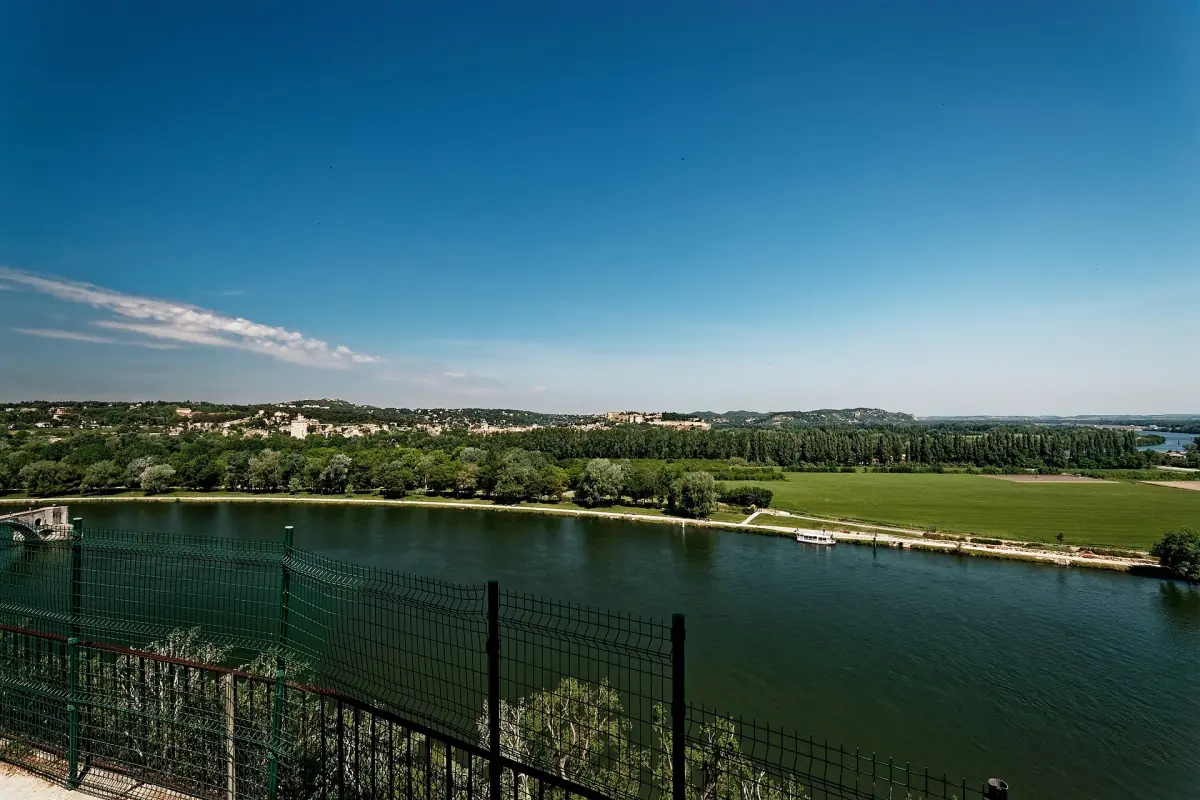
Northern Rhône: Côte-Rôtie, Hermitage and neighbours
Small areas, named crus and a different set of grapes.
Côte-Rôtie
Reds are based on Syrah, and up to 20 percent Viognier is allowed in the blend. So do not describe every northern red as pure Syrah. The cru covers 342 ha.
Appellations explained →Hermitage
The red is Syrah-based, and up to 15 percent Marsanne and Roussanne are possible. Hermitage is small, with 137 ha in 2025. Crozes-Hermitage, a separate cru, is much larger.
Condrieu and Château-Grillet
Both are white wines based on Viognier. Condrieu covers 216 ha. Château-Grillet covers 4 ha.
Cornas, Saint-Joseph and Saint-Péray
Cornas is a single-variety red and covers 162 ha. Saint-Joseph has 1,504 ha and Saint-Péray 128 ha.
Tain-l'Hermitage is a northern destination in its own right. Do not plan it as a quick add-on to an Avignon stay without checking train or road times for your date first.
Our pick: a northern Rhône tasting
Crozes-Hermitage shows the other half of the valley beyond the southern Côtes du Rhône, with a vineyard walk and a cellar visit.
Hand-picked tours, booked through GetYourGuide. Prices are indicative starting prices in euros (as of October 2026). Tap a tour for live availability and the current price in your currency.
Rhône Valley wine tours and day trips
Tastings and day trips through the southern Rhône from Avignon, with live prices and availability.
North and south side by side
Areas are production figures from the 2025 harvest.
| Point | Northern Rhône | Southern Rhône |
|---|---|---|
| Appellations | Côte-Rôtie, Condrieu, Château-Grillet, Hermitage, Crozes-Hermitage, Cornas, Saint-Joseph, Saint-Péray | Châteauneuf-du-Pape, Beaumes-de-Venise, Cairanne, Gigondas, Laudun, Lirac, Rasteau, Tavel, Vacqueyras, Vinsobres |
| Area, 2025 harvest | From 4 ha (Château-Grillet) to 2,139 ha (Crozes-Hermitage) | Still-wine crus from 512 ha (Laudun) to 1,421 ha (Vacqueyras) |
| Grapes named for the crus | Syrah, Viognier, Marsanne, Roussanne | Grenache noir, Grenache blanc, Clairette, Roussanne (Châteauneuf-du-Pape) |
| White wine | Condrieu and Château-Grillet from Viognier | White Châteauneuf-du-Pape, and white Gigondas since 2024 |
| Rosé | – | Tavel, rosé only, 781 ha |
| Base for a visit | Tain-l'Hermitage and the northern villages | Avignon, Châteauneuf-du-Pape, Gigondas |
For most visitors with a few days around Avignon, the southern Rhône is the practical choice. Keep the north for a separate wine trip.
The southern Rhône around Avignon
Villages, cru names and the wind.
Châteauneuf-du-Pape is placed in the southern Rhône. From Avignon the bus route runs on line 902 to Sorgues and then bus 922 to Châteauneuf-du-Pape. Check the current timetable and the day's connections before you leave. The village and its castle ruin have their own page: Châteauneuf-du-Pape.
Gigondas lies at the foot of the Dentelles de Montmirail, and its slopes are marked by limestone. Hiking and climbing above it are described in the Dentelles de Montmirail guide, and the village is on the Gigondas page. Vacqueyras, Cairanne, Rasteau, Lirac and Vinsobres sit in the same southern group, and each of them has its own appellation.
The Mistral shapes the climate. It is a cold, dry north wind that marks the Rhône area. Sunshine does not mean calm air, so pack a layer on a clear day. Monthly temperatures for Avignon are on the weather page.
Getting around the Rhône Valley
The base towns and stations.
Two stations in Avignon
Avignon Centre sits at the old centre. Avignon TGV is outside the city, about 6 km from the centre. A regional train links the two, with a journey time of about 5 to 6 minutes. Details are on the getting there page.
Paris to Avignon
The TGV from Paris takes about 2 hours 40 minutes. Fares change by date and are advertised from €16.
Parking in Avignon
The park-and-ride lots Italiens and Piot are free. Each has a free shuttle. Clearance in the underground car parks around the ramparts is 1.90 m.
Plan the rest of your trip
Where the valley continues.
Rhône Valley: frequently asked questions
What is the difference between the northern and the southern Rhône?
The north has crus such as Côte-Rôtie, Hermitage and Condrieu, based on Syrah and Viognier. The south has Châteauneuf-du-Pape, Gigondas and Tavel, with Grenache shaping many reds. Avignon is a base for the south.
Is the Côtes du Rhône the same as the Rhône Valley?
No. The Côtes du Rhône appellation covers 172 communes in six départements. It is one appellation inside a larger valley with many others.
Is Hermitage the same as Crozes-Hermitage?
No. Hermitage has 137 ha and Crozes-Hermitage has 2,139 ha. They are separate crus with separate rules.
Can I visit Tain-l'Hermitage from Avignon in a day?
Check train and road times for your date before you decide. It is a northern destination of its own.
Does the Mistral affect a visit?
It is a cold, dry north wind that marks the Rhône area. Wind can feel strong on a sunny day, so bring a jacket for hill walks and viewpoints.